01
Sense & Understand
GAPI intakes sensor information from the human, machine, environment, and network to understand what is occurring. It then converts that data into a real-time representation of behavior.
A physical AI risk-preventative platform designed to recognize when a human, machine, or environment is moving towards an unsafe outcome, and intervene before an incident occurs.

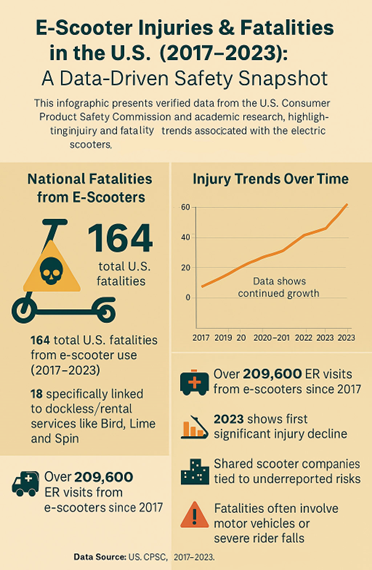
Micro-mobility injuries are on the rise with costs, lawsuits, and bans to follow. Lime alone has reported about $1 billion in current liabilities, and roughly $846 million of that total is due by the end of 2026.
Existing safety systems only arrive after the risk presents itself:
Source: Lime, the Uber-backed micromobility company, files for IPO
What if there was a system that could recognize the conditions leading to an accident before the accident even happened?
GAPI continuously evaluates the state of the person, machine, environment, and surrounding system, advising on or augmenting dangerous human behavior.
GAPI prevents unsafe actions before accidents occur by using biometric identity confirmation, environmental sensors, and predictive behavior models.
Using our over two decades of human mobility experience as a backbone, we are able to train our physical AI software through our lived experience. GAPI’s long-term objective is to convert our accumulated human data into measurable relationships that a computer can continually evaluate.
GAPI intakes sensor information from the human, machine, environment, and network to understand what is occurring. It then converts that data into a real-time representation of behavior.
Our machine learning and physical-state models calculate likely future outcomes based off of the data collected from the sensor information.
When predicted behavior moves toward an unsafe outcome, GAPI can select the least intrusive response, such as audio guidance, haptic feedback, visual communication, human intervention, machine intervention, or group intervention.
GAPI records events into a black box system which allows the predictive model to improve as additional operating experience is accumulated. Every outcome becomes information for the next prediction.
Smart cities will demand smart safety systems. The future is real-time prevention, not post-accident resolution.
GAPI can span industries, including skiing, amusement parks, warehouse robots, and more. The driver sensor monitoring system provides real-time data on driver behavior, enhancing insurance assessments. Prevention is the new insurance.